

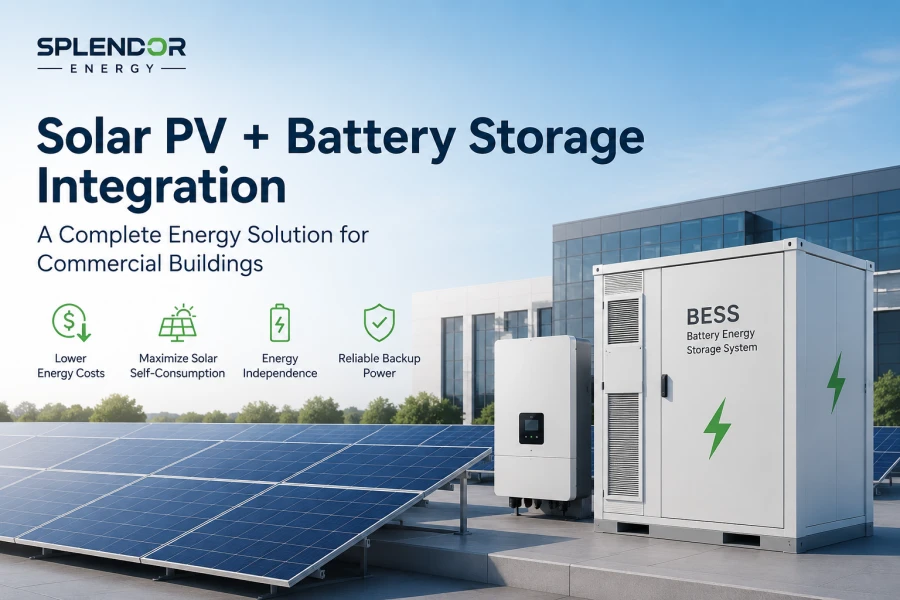
Solar PV + Battery Storage: Building Energy Independence for Businesses
As electricity prices continue to rise and grid reliability becomes a growing concern, commercial and industrial businesses are increasingly looking for smarter ways to manage their energy consumption.
Traditional solar PV systems can significantly reduce electricity bills by generating clean power during daylight hours. However, solar generation is naturally dependent on weather conditions and daylight availability, creating a mismatch between renewable energy production and actual electricity demand.
By integrating solar PV with battery energy storage systems (BESS), businesses can store excess solar energy during peak generation periods and use it when electricity demand is higher or solar production is unavailable.
This integrated Solar Plus Storage approach enables companies to improve energy efficiency, reduce operating costs, enhance energy resilience, and move closer toward long-term energy independence.
Why Solar Alone Is Not Enough for Commercial Buildings
A conventional commercial solar system typically generates electricity only when sunlight is available.
For many businesses, the highest electricity consumption periods often occur in the morning, evening, or during peak tariff hours when solar generation is limited.
For example:
- Factories may operate production lines during evening shifts.
- Warehouses require continuous lighting, refrigeration, and automation systems.
- Shopping centers have high demand during customer peak hours.
- Office buildings consume significant power after solar production decreases.
Without energy storage, excess solar power generated during the daytime may be:
- Exported back to the grid at lower feed-in rates.
- Limited by grid export restrictions.
- Unable to support critical loads during power outages.
Solar battery storage solves this challenge by capturing surplus renewable energy and making it available whenever it is needed.
Advantages of Solar PV + Battery Storage Integration
1. Higher Solar Self-Consumption
One of the biggest challenges for commercial solar systems is maximizing the use of generated solar electricity.
A Solar Plus Storage system allows businesses to:
- Store excess solar energy during daytime hours.
- Use stored energy during evening operations.
- Reduce dependence on electricity from the grid.
- Increase renewable energy utilization.
For commercial facilities, solar self-consumption rates can be significantly improved by combining PV generation with appropriately sized battery storage.
2. Lower Electricity Costs Through Energy Optimization
Electricity prices in many regions vary throughout the day, with higher costs during peak demand periods.
Battery energy storage enables businesses to implement:
Peak Shaving
The BESS supplies stored energy during high-price periods, reducing electricity consumption from the grid.
Time-of-Use Optimization
Energy is stored when electricity prices are lower and discharged when prices increase.
Demand Charge Reduction
For commercial users with high peak demand charges, battery storage can reduce maximum power demand and optimize monthly electricity expenses.
By intelligently managing energy flow, businesses can achieve long-term operational savings.
3. Enhanced Energy Resilience and Backup Power
Grid interruptions can create significant financial losses for commercial and industrial facilities.
A Solar PV + Battery Storage system provides additional energy security by supporting critical loads during outages.
Typical backup applications include:
- Production equipment.
- Data centers.
- Security systems.
- Refrigeration systems.
- Emergency lighting.
- Communication infrastructure.
When integrated with an advanced Energy Management System (EMS), the solution can automatically detect grid failures and switch to battery backup operation.
Solar PV + Battery Storage System Architecture
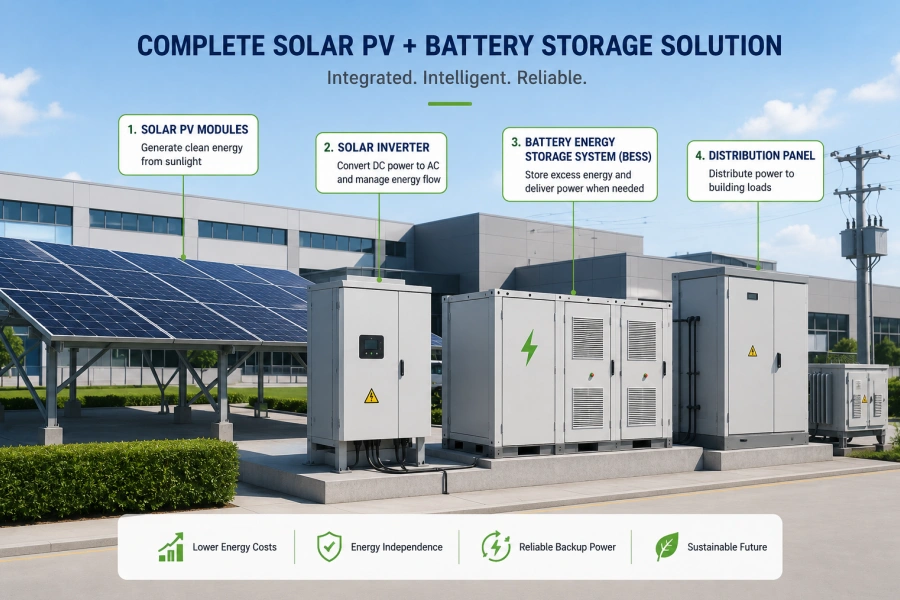
A complete commercial solar plus storage solution consists of multiple integrated components working together.
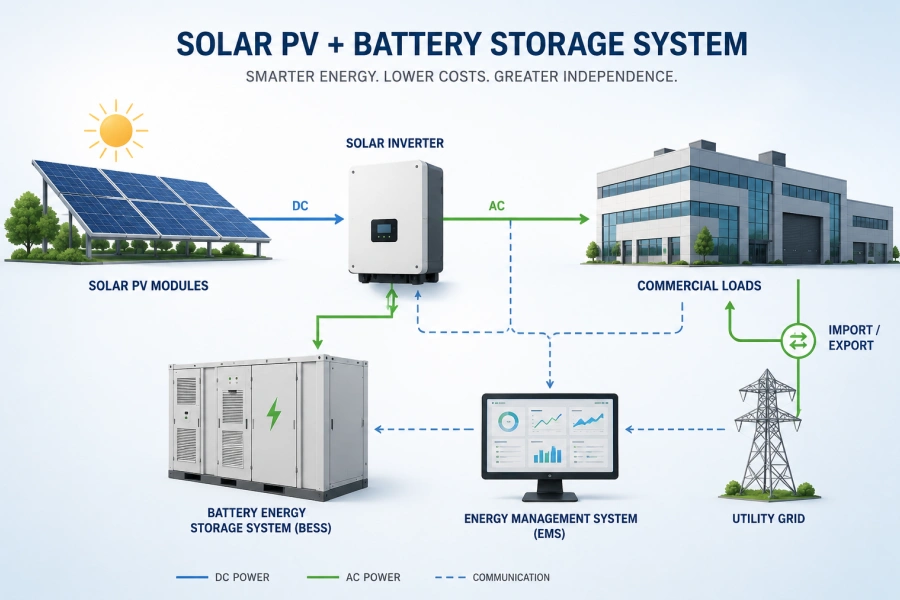
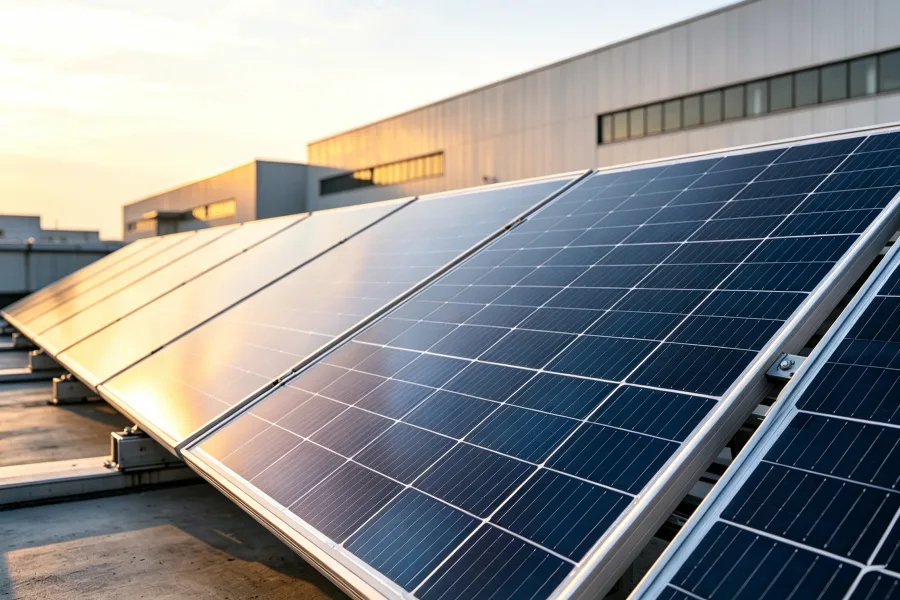
1. Solar PV Modules
Solar panels convert sunlight into DC electricity.
Modern commercial systems commonly use:
- N-Type TOPCon solar modules.
- HJT high-efficiency modules.
- Monocrystalline photovoltaic technology.
- Bifacial dual-glass modules.
Depending on project requirements, commercial solar installations can range from:
- 30kW rooftop systems.
- 500kW industrial energy systems.
- Multi-megawatt solar power plants.
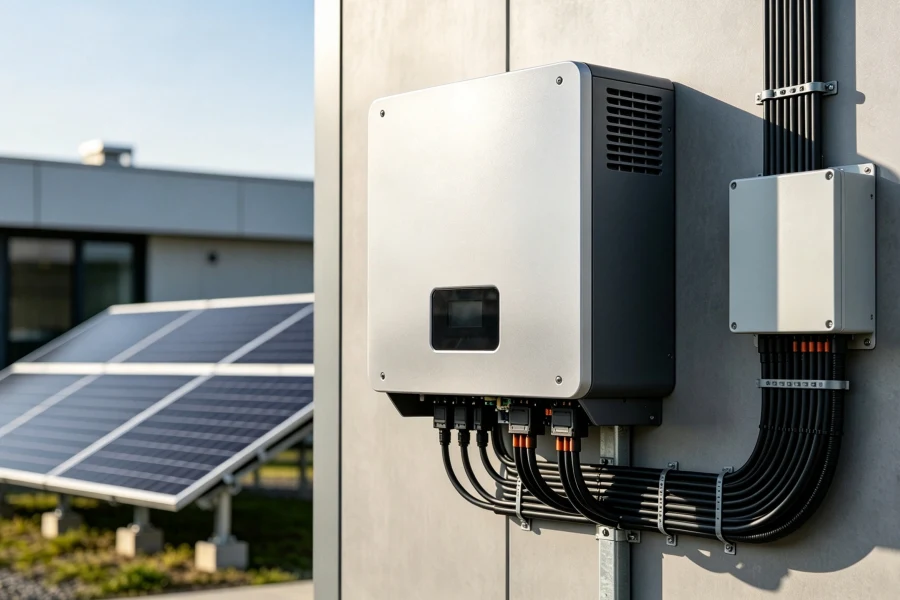
2. Solar Inverter
The inverter converts DC electricity generated by solar panels into AC electricity suitable for building loads and grid connection.
Advanced commercial inverters provide:
- High conversion efficiency.
- Intelligent monitoring.
- Grid support functions.
- Compatibility with battery storage systems.
Hybrid inverter solutions can directly coordinate PV generation and battery charging/discharging.
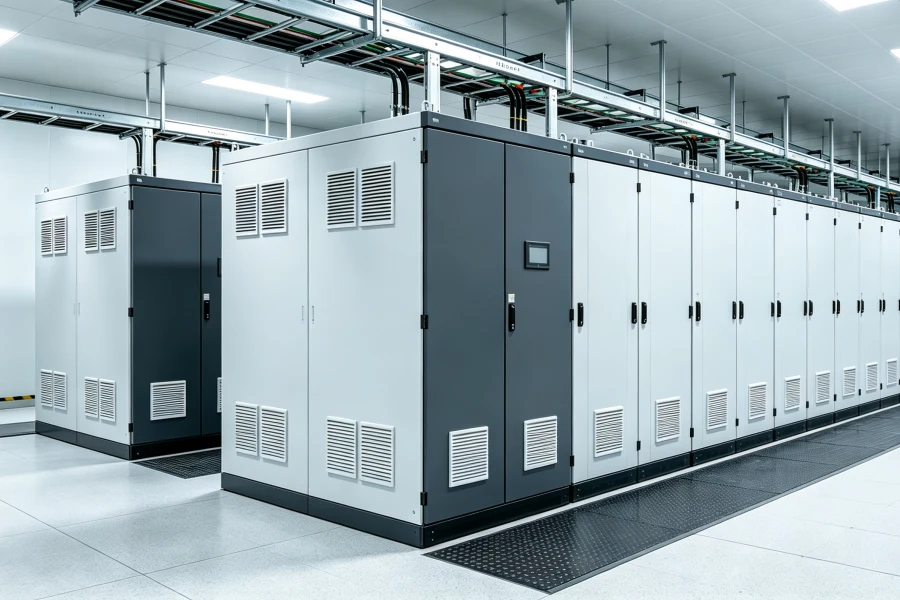
3. Battery Energy Storage System (BESS)
The Battery Energy Storage System is the core component that enables energy flexibility.
Commercial BESS solutions typically include:
- Lithium Iron Phosphate (LFP) battery cells.
- Battery management system (BMS).
- Power conversion system (PCS).
- Thermal management system.
- Fire protection system.
- Safety monitoring equipment.
Commercial and industrial battery storage systems commonly range from:
- 100kWh+
- 500kWh
- 1MWh–5MWh+
- Utility-scale multi-megawatt applications.
4. Energy Management System (EMS)
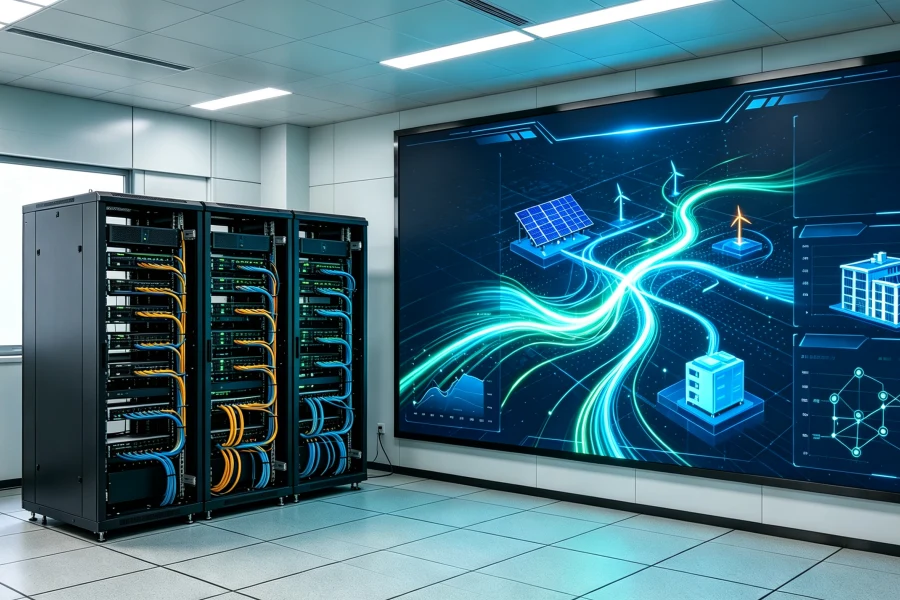
The EMS acts as the intelligent control center of the entire energy system.
It monitors and optimizes:
- Solar generation.
- Battery charging status.
- Building electricity demand.
- Grid interaction.
- Energy pricing signals.
Through intelligent energy scheduling, EMS helps businesses maximize renewable energy utilization and reduce operating costs.
5. Grid Connection
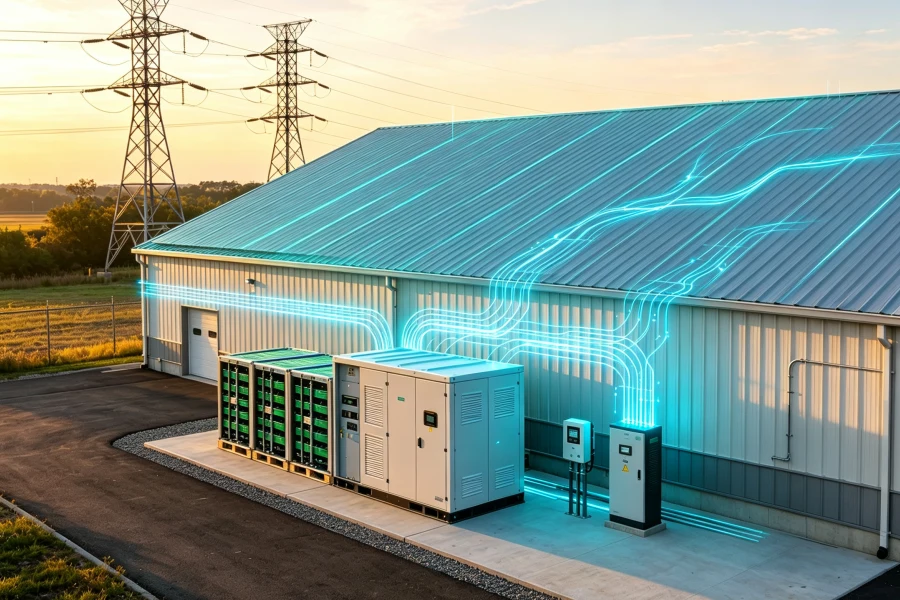
The integrated system connects with the local electricity network to provide:
- Renewable energy supply.
- Grid interaction.
- Backup operation.
- Energy optimization.
Depending on project requirements, systems can support:
- Grid-connected operation.
- Hybrid microgrid operation.
- Off-grid energy solutions.
Commercial Applications of Solar Plus Storage Solutions
Factories and Manufacturing Facilities
Manufacturing companies often have high electricity demand and strict requirements for power reliability.
Solar PV combined with battery storage helps factories:
- Reduce peak electricity costs.
- Stabilize energy supply.
- Support continuous production.
- Improve carbon performance.
Typical solutions:
- 500kWh–5MWh BESS.
- Rooftop solar PV.
- Industrial microgrid integration.
Warehouses and Logistics Centers
Large warehouses typically have extensive rooftop space suitable for solar installation.
Solar battery storage enables:
- Lower operational expenses.
- Renewable-powered logistics operations.
- Backup power for automation systems.
- EV fleet charging integration.
Shopping Centers and Retail Complexes
Commercial buildings with high daytime and evening energy consumption benefit significantly from energy storage.
Applications include:
- Solar rooftop generation.
- Peak demand management.
- EV charging integration.
- Energy cost optimization.
Office Buildings
Modern office buildings require reliable electricity for:
- HVAC systems.
- Lighting.
- IT infrastructure.
- Security systems.
Solar Plus Storage solutions support corporate sustainability goals while reducing reliance on conventional electricity sources.
How to Select the Right Solar Battery Storage System?
Choosing the correct system size depends on several factors:
Electricity Consumption Profile
Analyze:
- Daily energy consumption.
- Peak demand periods.
- Load characteristics.
Solar Generation Potential
Consider:
- Available installation area.
- Local solar resources.
- PV capacity requirements.
Battery Capacity Requirements
Determine:
- Required backup duration.
- Energy shifting requirements.
- Peak shaving objectives.
Future Expansion
A scalable system design allows businesses to expand:
- Additional solar capacity.
- Larger battery storage.
- EV charging infrastructure.
- Microgrid capabilities.
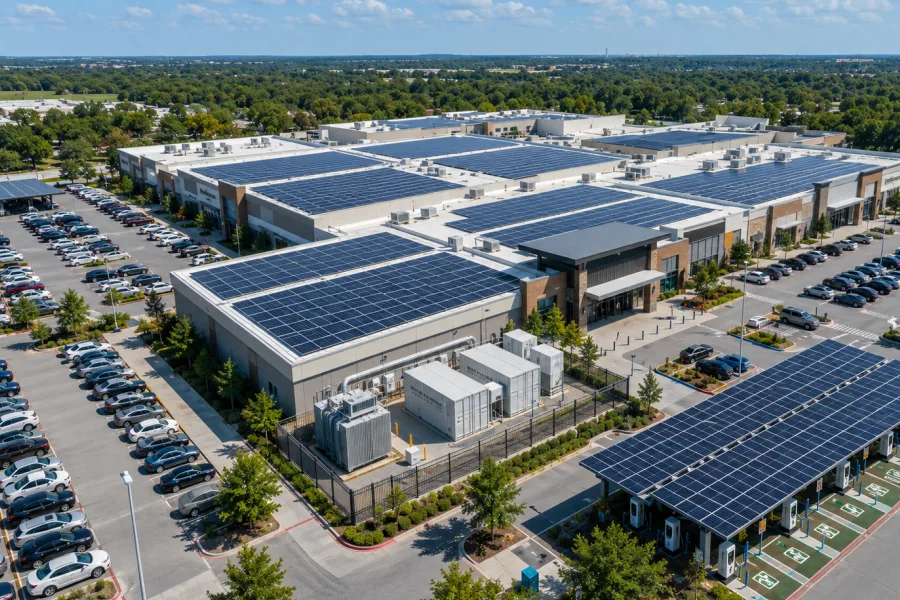
The Future of Commercial Energy: Integrated Solar, Storage, and Smart Energy Management
The future of commercial energy is moving toward intelligent, decentralized, and renewable-based systems.
By combining:
- Solar PV generation.
- Battery energy storage.
- Smart EMS control.
- Grid integration.
- EV charging infrastructure.
Businesses can transform from passive electricity consumers into active energy managers.
A well-designed Solar Plus Storage solution provides not only economic benefits but also improves energy security, sustainability performance, and long-term operational competitiveness.
Conclusion
Solar PV alone can significantly reduce electricity costs, but integrating battery storage unlocks the full potential of renewable energy.
A Commercial Solar System with Battery Energy Storage allows businesses to:
✔ Increase solar self-consumption
✔ Reduce electricity expenses
✔ Improve energy resilience
✔ Optimize renewable energy usage
✔ Build a more sustainable future
For factories, warehouses, retail centers, and office buildings, Solar Plus Storage has become a key pathway toward energy independence.
Explore Our Commercial Solar Solutions
Splendor Energy provides integrated solar PV, battery energy storage, EMS, and microgrid solutions for commercial and industrial customers worldwide.
From system design and equipment selection to complete energy integration, we help businesses build reliable, efficient, and scalable renewable energy infrastructure.